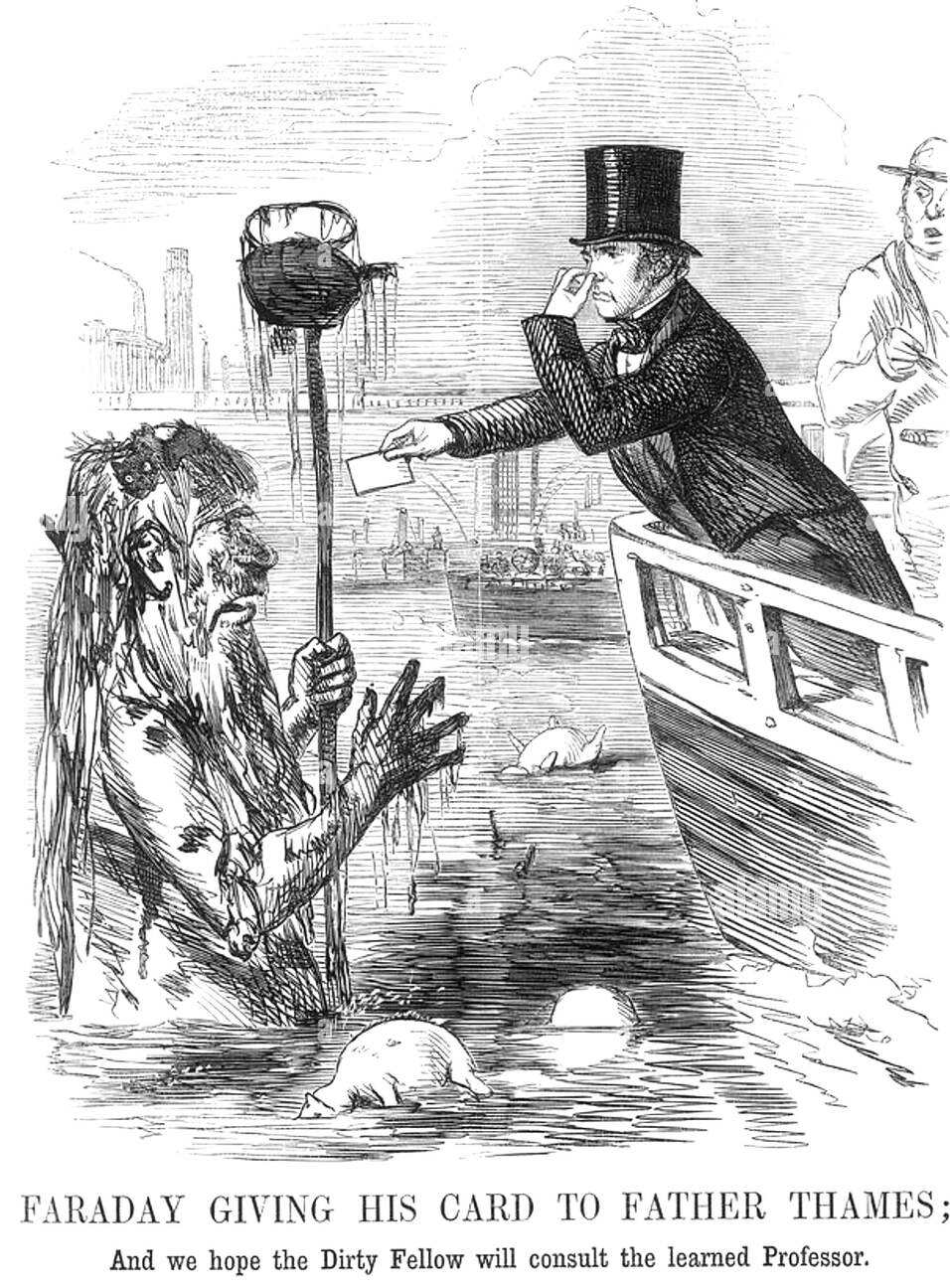
Down the Drain and Through the Ages: A Brief History of Wastewater Treatment
The history of men is reflected in the history of sewers. In this episode, Juliana and Inas trace the history of sanitation from early civilizations and Roman sewers to the public health breakthroughs of the 19th century and the development of modern treatment technologies, highlighting how managing wastewater has shaped human health and urban life.
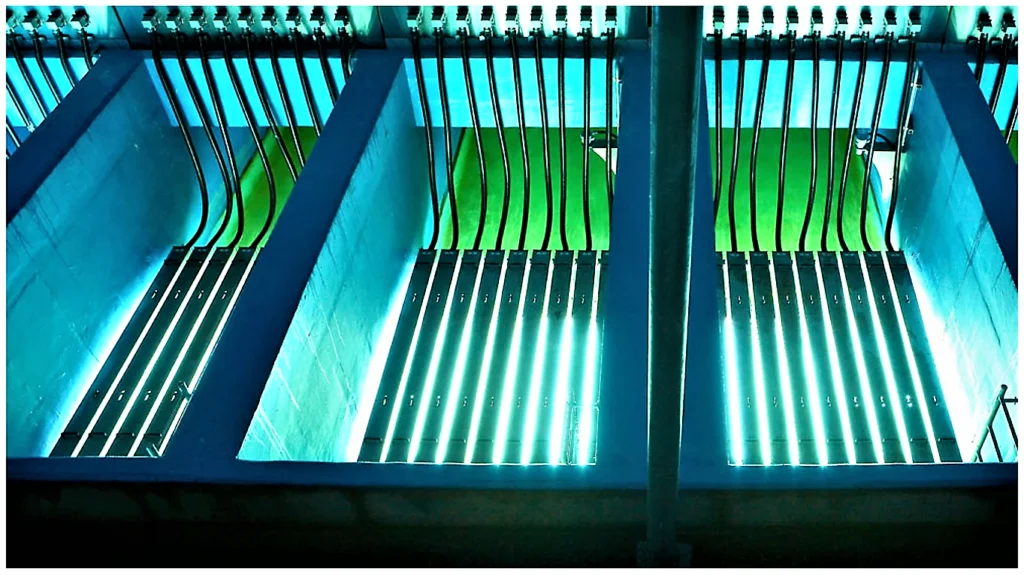
Chlorine vs. UV: Why Wastewater Treatment Is Making the Switch · Episode 1
Wastewater must be disinfected before it returns to the environment—but how we do that is changing. In this episode, Aden and Laurene explore why many treatment plants are moving away from chlorine and toward UV systems, comparing how each method works, their tradeoffs, and what this shift means for public health and aquatic ecosystems.
Chlorine vs. UV: Why Wastewater Treatment Is Making the Switch · Episode 2
Wastewater must be disinfected before it returns to the environment—but how we do that is changing. In this episode, Kacey Estrella and Amanda Dobson explore why many treatment plants are moving away from chlorine and toward UV systems, comparing how each method works, their tradeoffs, and what this shift means for public health and aquatic ecosystems.
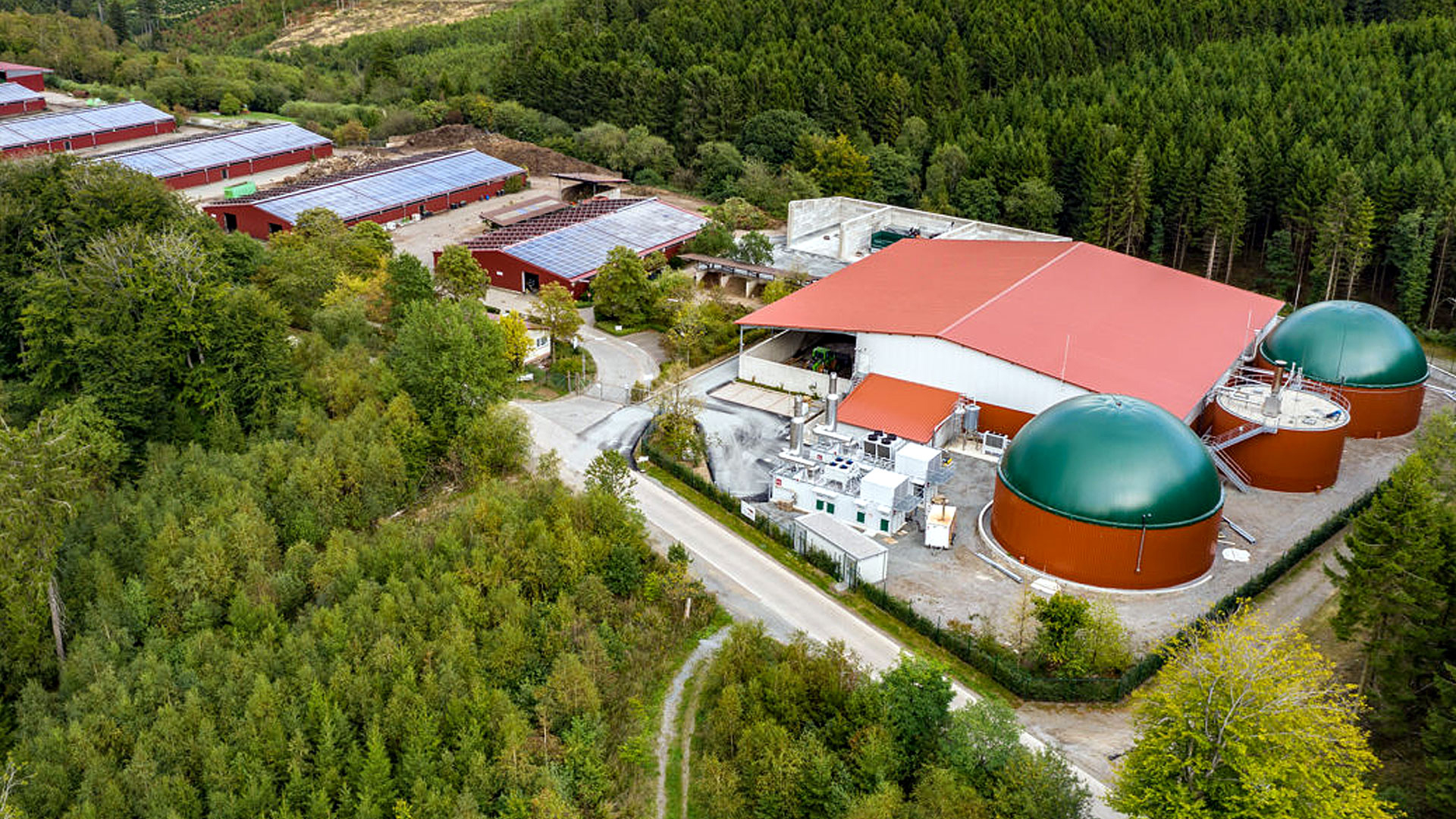
Flush to Power: Turning Wastewater into Renewable Energy · Episode 1
Wastewater contains more than waste—it holds recoverable energy. In this episode, Yuan and Xueming explore how microorganisms break down organic matter to produce methane through anaerobic digestion, and how treatment plants capture this energy to generate heat, electricity, and renewable natural gas. From everyday flushing to energy-positive facilities, this conversation highlights how wastewater treatment is becoming a key part of sustainable energy systems.
Flush to Power: Turning Wastewater into Renewable Energy · Episode 2
Wastewater contains more than waste—it holds recoverable energy. In this episode, Thando and Vignesh explore how microorganisms break down organic matter to produce methane through anaerobic digestion, and how treatment plants capture this energy to generate heat, electricity, and renewable natural gas. From everyday flushing to energy-positive facilities, this conversation highlights how wastewater treatment is becoming a key part of sustainable energy systems.
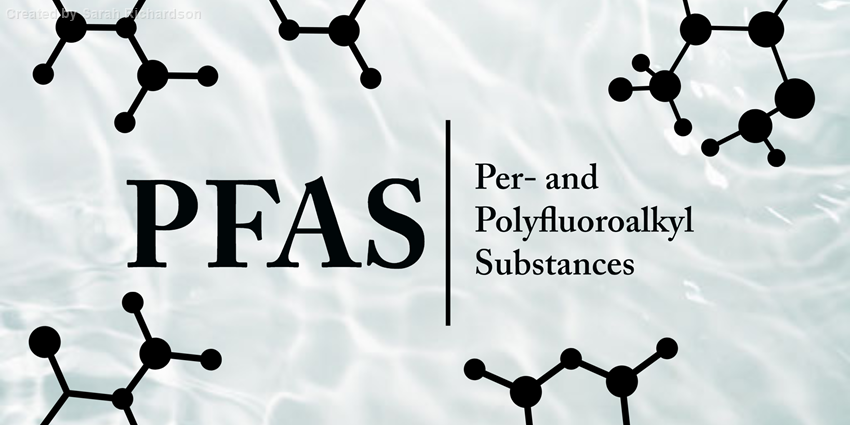
PFAS in Water: The Invisible 'Forever Chemicals' · Episode 1
PFAS are persistent “forever chemicals” that can enter water cycle through industrial discharge, consumer products, and firefighting foams. In this episode, Lu and Jingxian explain what PFAS are, why they are difficult to remove in wastewater, how they affect public health, and what current treatment technologies can—and cannot—do to address them.
PFAS in Water: The Invisible 'Forever Chemicals' · Episode 2
PFAS are persistent “forever chemicals” that can enter water cycle through industrial discharge, consumer products, and firefighting foams. In this episode, Xiangyi and Chen explain what PFAS are, why they are difficult to remove in wastewater, how they affect public health, and what current treatment technologies can—and cannot—do to address them.

When Lakes Turn Green: Harmful Algal Blooms and the Water We Drink
Harmful algal blooms are becoming more common in lakes and rivers. In this episode, Saliyah As-Salaam and Aden Weiss explores what they mean for drinking water, public health, and water treatment.
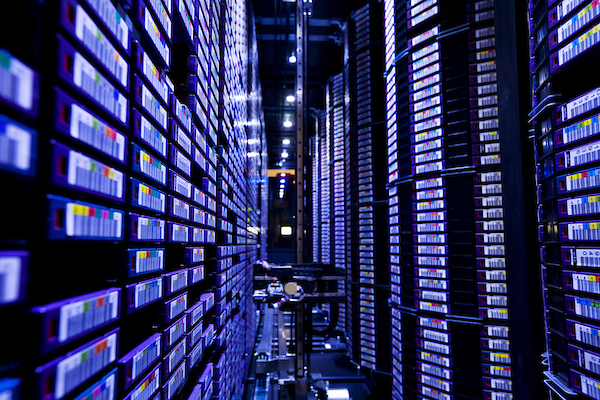
When the Cloud Gets Thirsty: How Data Centers Use Our Water
Data centers power the internet and AI—but they also consume enormous amounts of water. In this episode, Elias Hill and Ian McGuire discuss how technological progress intersects with water sustainability.
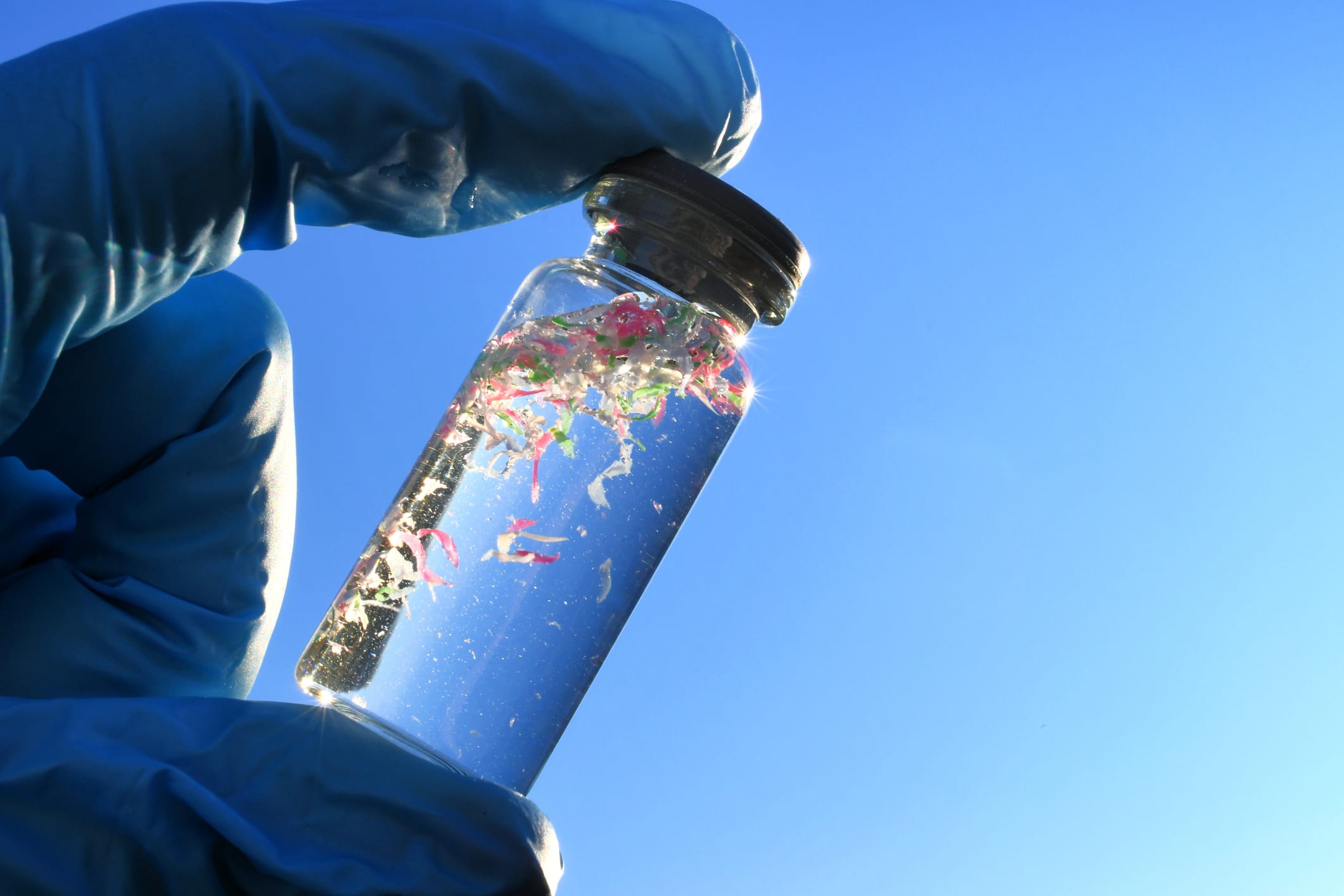
The Plastics You Can’t See in Water
Microplastics are everywhere—from the water we drink to the food we eat—yet most of them are too small to see. In this episode, Paul Sas speaks with Abby Jackman about what microplastics are, how they enter water systems and food webs, and why wastewater treatment plays a critical role in their spread.

Water From Source to Your Tap
Where does tap water come from, and what happens to it before it reaches your glass? In this episode, Gursi Nanda speaks with Elisha Zhi EN Foo about the journey of drinking water—from rivers and aquifers through treatment processes like coagulation, filtration, and disinfection.
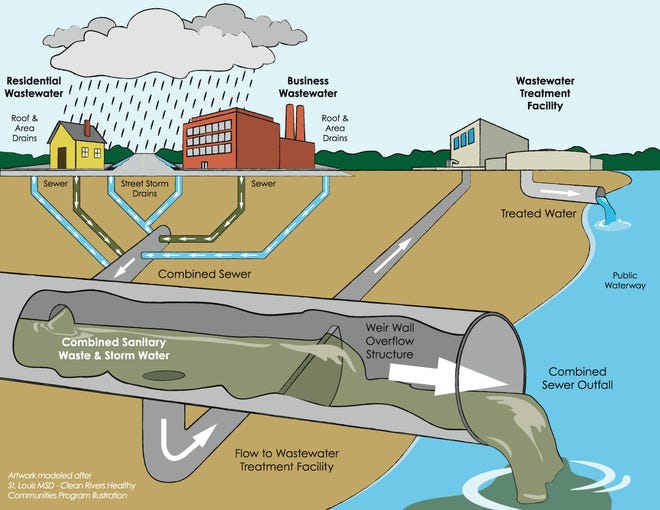
When It Rains, Where Does the Sewage Go?
Why do some cities release wastewater into rivers during heavy rain, and how is that even allowed? In this episode, Justin Nalbach and Fouad Khalifa explain combined sewer overflows (CSOs)—why older cities like Philadelphia have them, how they affect rivers and recreation, and what the landmark Green City, Clean Waters initiative is trying to achieve.
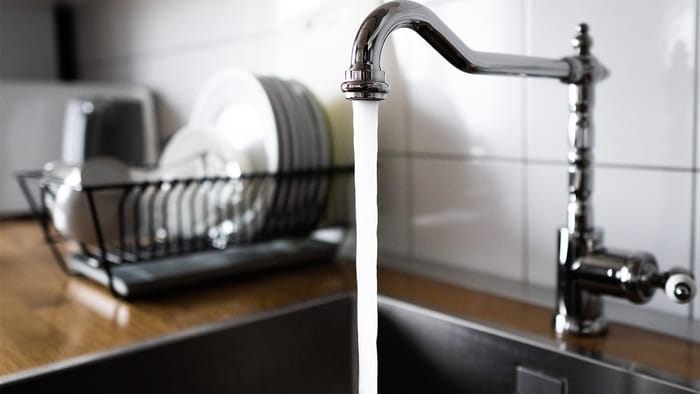
Why Does My Tap Water Smell Like a Pool?
Have you ever turned on the tap and noticed a smell that reminds you of a swimming pool? In this episode, Rae Zhu and Jubean Ahn explore why chlorine is added to drinking water, how it protects us from harmful microbes, and why that faint chlorine smell is actually a sign of safety.
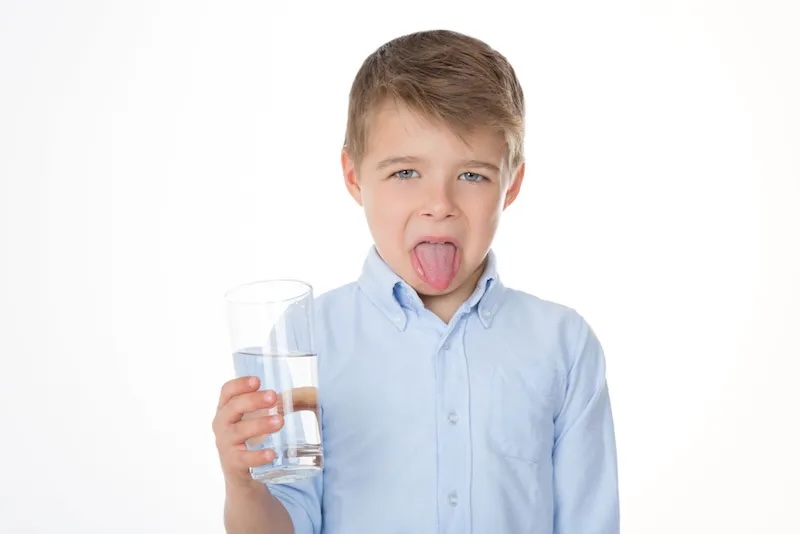
The Science Behind Taste and Odor in Drinking Water
Would you drink water that smells unpleasant, even if it looks clear? In this episode, Cruz Hector, Catie Cappellin and Amanda Dobson explore why drinking water can sometimes have earthy, musty, chlorinous, or rotten-egg odors, and how microorganisms and their chemical byproducts drive these taste and odor events.

Science, Trust, and What’s Really in Your Glass
Is tap water really safe to drink? In this episode, Chen Yang speak with Ewangga Patrianada about how drinking water is treated in the U.S., why contaminants like PFAS raise concern, and what went wrong during the Flint water crisis. This conversation also explores how science, engineering, and trust shape our everyday relationship with tap water in the global scale.
Episodes are produced by students as part of a course assignment and do not necessarily represent the views of the course instructor or the University of Illinois.